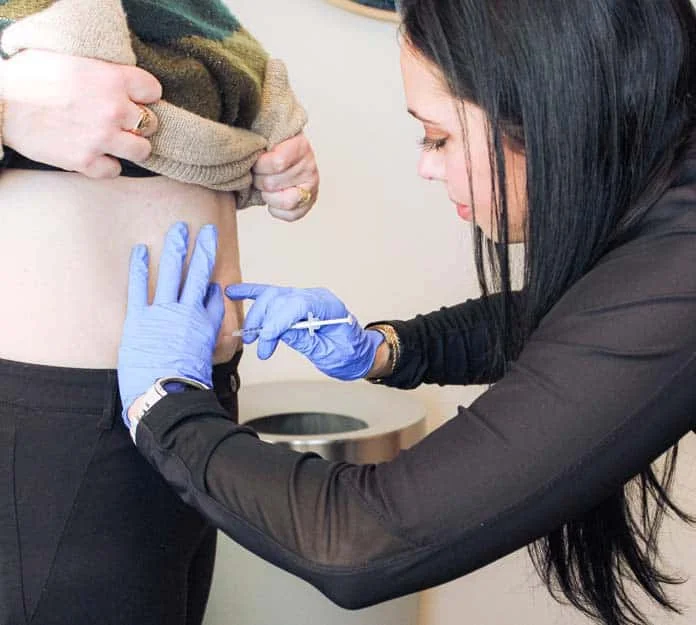

Ozempic and Mounjaro are both diabetes medications that produce significant weight loss as a side effect. Doctors have been prescribing them off-label for weight management for years. Now their weight-loss-labeled siblings (Wegovy and Zepbound) exist, but many patients — especially those with diabetes or insurance issues — still get Ozempic or Mounjaro. Here\'s the honest comparison.
The one-sentence version
Ozempic is semaglutide approved for type 2 diabetes. Mounjaro is tirzepatide approved for type 2 diabetes. Mounjaro is newer, dual-mechanism, and produces more weight loss on average. Ozempic has a much longer safety track record.
What Ozempic actually is
Ozempic is the brand name for semaglutide at doses up to 2mg weekly, approved by the FDA for treating type 2 diabetes. It activates GLP-1 receptors — the same mechanism as Wegovy — reducing appetite, slowing gastric emptying, and improving insulin sensitivity. Weight loss is a well-documented side effect, which is why it\'s frequently prescribed off-label for weight management. If you don\'t have diabetes, our guide on how to get Ozempic for weight loss explains the two legitimate prescribing routes.
Trial data (SUSTAIN trials): patients typically lose 5–12% of body weight over 12+ months, though results vary significantly by dose and individual response.
What Mounjaro actually is
Mounjaro is the brand name for tirzepatide at doses up to 15mg weekly, FDA-approved for type 2 diabetes. It\'s a dual GLP-1 + GIP receptor agonist — the same molecule as Zepbound. Both diabetes control and weight loss outcomes tend to be stronger than semaglutide-based drugs.
Trial data (SURPASS trials): typical body weight loss of 15–20% at higher doses over 40–52 weeks.
Ozempic vs Mounjaro side by side
Effectiveness
Mounjaro produces more weight loss on average. That\'s the headline. But averages hide individual variability — some patients respond dramatically to Ozempic and only modestly to Mounjaro. Which is why weekly medical check-ins matter: we monitor how your body actually responds and pivot early if needed.
Dosing
Ozempic starts at 0.25mg weekly, titrates through 0.5, 1.0, and 2.0mg. Mounjaro starts at 2.5mg weekly, titrates through 5, 7.5, 10, 12.5, and 15mg. Both require slow, patient dose ramps to minimize side effects.
Side effects
Side effect profiles are essentially identical between the two — mild-to-moderate GI symptoms during titration, mostly resolving as your body adjusts. Our full GLP-1 side effects guide covers each symptom and how we manage it.
Insurance coverage
Both are usually covered by insurance when prescribed for diabetes. When prescribed off-label for weight loss, coverage is dramatically less common. That\'s why the weight-loss-labeled versions (Wegovy and Zepbound) were created — to give insurers a specific indication to cover. See our insurance guide for details.
If you have type 2 diabetes, insurance is likely to cover Ozempic or Mounjaro. If you don\'t have diabetes but want weight loss, insurance may only cover Wegovy or Zepbound (the weight-loss-labeled versions). We check your specific coverage during your free consultation.
Which one is right for you?
Depends on your situation:
- Type 2 diabetes + weight loss goal: Either works. Mounjaro tends to produce more weight loss.
- No diabetes, want weight loss: Wegovy or Zepbound (weight-loss-labeled) will usually get better insurance coverage than Ozempic or Mounjaro off-label.
- Cash pay, no insurance concerns: Doctor-supervised compounded semaglutide and tirzepatide is dramatically less expensive than any brand-name product. Same active molecule.
- Prior GLP-1 that plateaued: Switching from Ozempic to Mounjaro (or Wegovy to Zepbound) often produces additional weight loss.
Reasonably-priced options in the Twin Cities
We work directly with our compounding pharmacy so cash-pay patients don\'t pay brand-name prices. Whether you want semaglutide or tirzepatide, we can typically match the effect of Ozempic or Mounjaro at a fraction of the retail cost. Details at your free consultation.
Looking for Ozempic or Mounjaro in Bloomington, Minneapolis, or Edina? Book a free consultation with our medical team. We\'ll review your options honestly.